




Shikoku Ohenro Pilgrimage Practical Tips
You can walk a loop of roughly 1,200–1,400 km around Shikoku that links 88 temples tied to the monk Kōbō Daishi, and many people complete parts of the route instead of the whole circuit. This pilgrimage mixes walking, cultural sites, quiet countryside, and simple temple stays, letting you shape the trip to your time, fitness, and goals.
As you travel, expect clear rituals, simple pilgrim clothes, and warm local hospitality that make the route more than a hike — it becomes a paced, reflective journey. Whether you plan to walk, cycle, or use public transport, practical planning and respect for customs make the experience smoother and more meaningful.
Key Notes
- The pilgrimage connects 88 temples across Shikoku and can be done fully or in sections.
- You will encounter set rituals, modest accommodations, and strong local hospitality.
- Planning modes of travel, timing, and customs helps keep the trip safe and sustainable.
Understanding Shikoku Ohenro
You will learn where the pilgrimage began, why it matters to many people today, and which customs shape the journey. The next parts explain the history, spiritual aims, and the cultural practices you will see or take part in.
Origins and Historical Significance
The Ohenro traces its roots to Kukai (Kobo Daishi), an influential monk of the early 9th century who trained and taught in Shikoku. Over centuries, his followers marked 88 temple sites connected to his life and teachings. Those sites formed a circuit that people walked to honor his legacy.
Originally, many pilgrims were monks or ascetics practicing endurance and study. Later, common people joined to seek healing, guidance, or to fulfill vows. The route evolved into a roughly 1,200–1,400-kilometer loop that crosses Tokushima, Kochi, Ehime, and Kagawa prefectures. You can hike segments or complete the full circuit by foot, bicycle, or vehicle.
Religious and Spiritual Importance
You’ll find the pilgrimage blends devotional practice with personal reflection. Pilgrims often recite sutras, offer incense, and walk mindfully from temple to temple. Many seek blessings for health, safe travel, or to honor ancestors.
The route centers on Kobo Daishi’s spiritual presence; visitors treat him as a guide and teacher. Completing temple rituals—stamp book (nokyocho) collection, bell ringing, and dedicated prayers—marks spiritual progress. The journey supports repeated, quiet reflection rather than sudden revelations, so your pace and intention matter more than speed.
Cultural Traditions
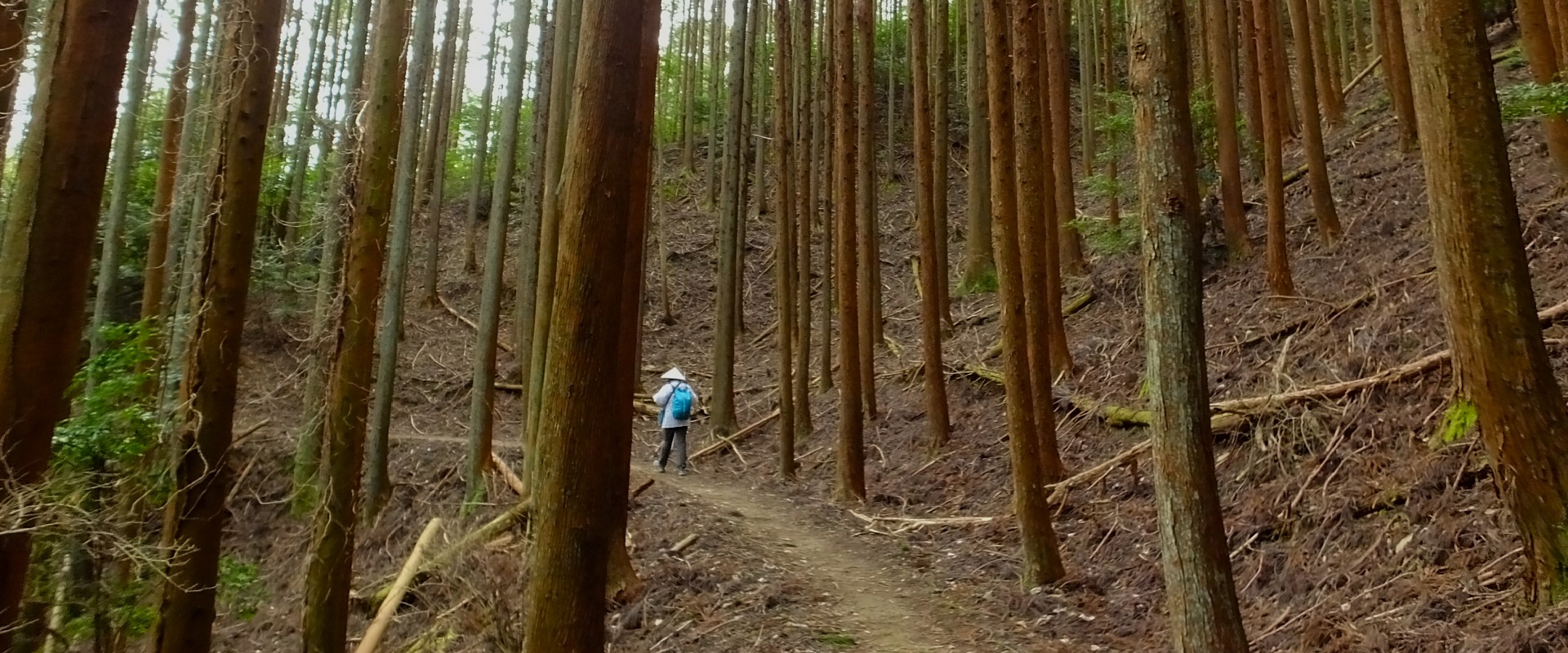
Local customs give the Ohenro its distinct character. You will often see pilgrims wearing white garments, sedge hats, and carrying a kongō-zue (walking staff). These items signal pilgrim status and link to historical practice.
Osettai—gifts or hospitality from residents—remains common. Locals may offer water, snacks, or conversation without asking for payment. You’ll also use a nokyocho to collect temple stamps and calligraphy; it serves as both a souvenir and proof of visits. Respect for temple etiquette—removing shoes where required, speaking quietly, and following offering procedures—keeps interactions smooth and meaningful.
The 88 Temple Pilgrimage
The pilgrimage is a circular route around Shikoku linking 88 numbered temples connected to the monk Kūkai (Kōbō Daishi). You will travel about 1,100–1,400 km, depending on path choices, passing mountains, coastal roads, and towns.
Route Overview
You start at Temple 1 (Ryōzen-ji) in Tokushima prefecture and finish at Temple 88 (Ōkubo-ji) in Kagawa, or you can begin at any temple and follow the sequence. Walking the full route typically takes 40–60 days; many people shorten it by using buses, trains, or private transport.
The roads vary: paved highways, narrow rural lanes, and mountain trails. Expect long stretches without services in some sections, so plan water, food, and lodging. Many pilgrims combine walking with public transport to manage time and terrain.
Regional Divisions
The route crosses four prefectures: Tokushima, Kōchi, Ehime, and Kagawa. Each prefecture has a distinct pace and landscape.
- Tokushima: temples cluster in valleys and low mountains; a wet climate can make trails muddy.
- Kōchi: longest and most rural; you’ll face steep climbs and coastal stretches.
- Ehime: mixed terrain with some urban temples near Matsuyama and quiet countryside sites.
- Kagawa: the final, more populated leg with shorter distances between temples.
Local bus networks and intercity trains connect major towns. Plan lodging in onsen towns and guesthouses that support pilgrims.
Key Temples and Landmarks
Certain temples serve as major waypoints and cultural sites you’ll likely visit.
- Temple 1 — Ryōzen-ji (Tokushima): traditional starting point with pilgrim services.
- Temple 23 — Yakuō-ji (Tokushima): a large complex and common rest stop.
- Temple 39 — Enkō-ji (Kōchi): mountain setting and scenic views.
- Temple 51 — Ishite-ji (Ehime): historic artifacts and busy precinct near Matsuyama.
- Temple 88 — Ōkubo-ji (Kagawa): formal end point with a large pilgrimage hall.
Look for landmarks: stone waymarks, wooden signposts, cemetery sites, and small osettai houses where locals offer food or drink. Temples often have stamps (nokyo-chō) and bells; collecting stamps is a practical record of progress.
Pilgrimage Etiquette
You should follow local customs to show respect and keep safe.
- Dress modestly and wear comfortable, sturdy footwear.
- At temples: remove hats, bow at the gate, wash hands at the chozuya, and follow the standard prayer sequence (incense, bell, chanting).
- Use the prayer book (osamefuda) and register names correctly when requested.
- Accept osettai (gifts) politely; if you cannot accept food, a verbal thank-you suffices.
- Keep noise low, stay on marked paths, and follow signs on private property.
Carry cash for small offerings, temple stamps, and transport. If you need help, approach local volunteer groups or temple staff; many speak basic English and are used to pilgrims.
Planning Your Shikoku Ohenro Journey
Decide how many days you can spend, which temples or regions you want to see, and whether you’ll walk, cycle, or use buses and trains. Factor in weather, fitness, and luggage transfers into your plan.
Best Time of Year to Visit
Spring (late March–May) and autumn (October–November) offer the most comfortable temperatures and clear days. Expect daytime highs around 15–25°C and cooler nights. These seasons also bring more tourists, so book key lodgings in advance.
Summer (June–August) gets hot and humid, with a rainy season in June and possible typhoons in late summer. If you travel, then plan shorter walking days, start early, and carry rain gear. Winter (December–February) is mild on coastal sections but can be cold and snowy in mountainous parts; check local conditions before attempting long mountain passes.
Time your visits to popular temples for quieter hours: early morning or late afternoon. Festivals can add interest but raise demand for rooms, so confirm dates and reservations before you go.
Recommended Duration
Walking the full loop takes around six weeks for most people if you average 20–25 km per day. If you prefer a slower pace, allow 7–8 weeks. Many pilgrims split the route into several shorter trips over months or years.
If you only have a few days, choose a single prefecture or a cluster of temples — for example, the Tokushima coastal route or the Ehime mountain stretch. You can also combine walking with public transport; buses and trains let you skip difficult sections and restart easily. Factor in rest days and travel days between accommodations into your schedule to avoid fatigue.
Plan buffer days for bad weather or transport delays. Book key accommodations and luggage transfer services for longer stretches to keep the daily load light.
Packing Essentials
Keep your pack light. Bring a comfortable pair of walking shoes or boots, moisture-wicking socks, and a wide-brim hat. Layered clothing handles Shikoku’s changing weather: a light waterproof jacket, a fleece, and breathable base layers work well.
Carry a pilgrim kit: white jacket or shirt (hakue), stamp book (nokyocho), sutra book (optional), and a conical hat or towel. Add a small first-aid kit, blister care, water bottle, and high-energy snacks. Bring a power bank, an adapter for outlets, and a compact umbrella.
For logistics, pack copies of important documents, cash (many rural places don’t accept cards), and a lightweight daypack for temple visits. If you plan luggage transfers, use a durable rolling bag and label it clearly.
Pilgrimage Modes and Transportation
You can walk the whole route, mix walking with bikes or buses, or hire a vehicle to carry gear and drive between temples. Each choice changes daily distance, lodging options, and how you plan for food and rest.
Walking the Pilgrimage
Walking the Ohenro means covering up to 1,200–1,400 km if you follow the traditional route. Expect daily stages of 15–30 km if you hike moderately; fit walkers sometimes do longer legs. Plan blocks of 2–4 days around remote sections where services are sparse.
Pack light: a hakui or white shirt, comfortable boots, rain gear, first-aid, and a small stove if you want to cook. Book temple lodgings (shukubo) and guesthouses in advance for peak seasons. Learn basic route markers and download offline maps — some rural stretches have weak phone service.
You’ll meet other pilgrims and local volunteers. Be ready for steep mountain paths and long coastal walks. Pace yourself and rest when needed; weather and terrain affect how many temples you can reach each day.
Cycling and Public Transport Options
Cycling makes the route faster and covers more ground per day, often 40–80 km depending on fitness and road type. Use a touring bike with racks and panniers for gear. Narrow rural roads and occasional steep climbs require low gears and good brakes.
Public transport links many temple towns. Trains and buses serve Kagawa, Ehime, Tokushima, and Kōchi, but schedules thin out in remote areas. Combine segments: take a bus to skip long highways, then cycle or walk local temple clusters. Check timetables and luggage rules — some buses accept bikes boxed or folded, while local trains may require reservations.
Use a mix: bike some prefectures, walk key mountain or coastal sections, and take buses across long highway stretches. This reduces strain and saves time while letting you experience varied landscapes.
Support Vehicles
Hiring a support vehicle or using luggage transfer services lets you walk light and still cover long distances daily. Local companies and some guesthouses offer baggage forwarding between towns for a fee per bag. Prices vary by distance but typically run modestly per transfer; confirm drop-off times and locations.
Private drivers or tour operators can provide a van to carry your group, pick you up at temples, or drive you between distant spots. This is useful if you have limited time, medical needs, or travel in a group. Make sure drivers know temple access rules and parking limits.
If you choose support vehicles, plan meeting points at staffed stations or larger temples where parking and easy pickup exist. Keep copies of your daily schedule and contact numbers with the driver or luggage service.
Accommodations on the Shikoku Ohenro
You will find a mix of simple pilgrim lodging, modern hotels, and temple stays along the route. Book ahead in busy seasons and carry cash, because some places do not take cards.
Traditional Lodging
Traditional options include shukubō (temple lodgings converted for pilgrims), minshuku (family-run guesthouses), and ryokan (Japanese-style inns). Expect tatami rooms, shared baths in many minshuku, and simple meals of local ingredients. Prices vary: minshuku are usually the cheapest, ryokan mid-range, and shukubō often offer affordable pilgrim rates.
Make reservations when you plan to stop in smaller towns, especially in high season. Bring a light sleeping bag liner or futon cover if you prefer extra hygiene. Ask about meal times; many places serve dinner early and will need advance notice for special diets.
Modern Hotel Options
You will find business hotels and chain hotels near larger towns and train stations. These rooms are compact but include private bathrooms, Wi‑Fi, and 24‑hour check‑in at some locations. Chains like Toyoko Inn and APA provide consistent standards and online booking.
Use hotels for rest days, luggage drops, or when you need reliable laundry and charging facilities. Prices are higher than minshuku, but give privacy and comfort. If you plan to use public transport sections, book hotels near stations to save time.
Temple Stays
Some temples still host pilgrims overnight in their temple accommodations. These stays let you join morning prayers, receive a stamped pilgrimage book (nokyocho) at the temple office, and experience a quiet, spiritual atmosphere. Accommodations here vary from simple tatami rooms to modest guest spaces.
Contact temples in advance when possible; not all accept overnight guests year‑round. Donations or set fees usually cover lodging and a simple meal. Respect temple rules: modest dress, quiet in common areas, and punctuality for prayers.
Pilgrim Customs and Attire
Pilgrims on the Shikoku Ohenro wear specific items and follow set practices. These items help with travel, show respect at temples, and record each visit.
Henro Clothing and Gear
You should wear a white jacket (hakui) or a simple white vest over your clothes; it marks you as a pilgrim and keeps you visible. A sedge hat (sugegasa) shields you from the sun and rain. Carry a staff (kongozue) — many treat it as representing Kōbō Daishi — and a small shoulder bag for water and snacks.
Bring comfortable walking shoes or light boots and a raincoat if you’ll walk between temples. Useful extras: prayer beads (juzu), a bell to announce your arrival, and a small towel. You can buy most items near temple towns or order them beforehand.
Pilgrim Stamp Book and Collecting Nokyocho
Carry a Nokyōchō (pilgrim stamp book) to collect red ink stamps and hand-written temple inscriptions. Each temple uses its own stamp and calligraphy; the book becomes a record of your route and dates. Present the book at the temple office and wait politely while the staff adds the stamp.
Bring cash for the small fee many temples charge for stamping. Keep the nokyōchō dry and accessible; you’ll use it at nearly every temple visit. Some people get separate stamp sheets, but the bound book is traditional and fits easily in your bag.
Ceremonial Practices
At each temple, follow the same steps: purify at the chozuya (wash basin), ring the bell, offer a small donation, and recite the standard prayers. Bow when appropriate, and bow once more at the end. Use a quiet voice and avoid blocking altars or photo-restricted areas.
If you join a ritual or sutra chanting, follow the lead of locals and match their pace. Accept osettai (small gifts or help) with a polite bow and a short thanks. Respect temple rules, remove your hat indoors, and keep your phone silent while on temple grounds.
Connecting With Local Communities
You will meet people who keep the Ohenro alive: innkeepers, volunteers, temple staff, and more. These contacts shape your daily route, help with lodging and meals, and share stories that add meaning to each temple stop.
Hospitality Traditions
Local hospitality centers on the ohenro spirit of welcome. When you stay at a minshuku (family inn) or ohenro house, the host often greets you with a warm drink, a place to clean your gear, and a futon room. Many hosts expect simple manners: remove shoes, follow meal times, and bring cash for small fees.
Temples also offer shukubo (temple lodgings) where monks may lead morning chants. In these places, you’ll join communal life briefly — set aside quiet hours and participate politely if invited. Small gifts like a postcard from your home or a thank-you note go a long way.
Volunteer Networks
Volunteer groups keep trails, run ohenro houses, and supply directions at remote junctions. You can find networks that recruit helpers for trail clearing, translation support, or short-term hosting of pilgrims.
To join, contact local NPOs or tourist offices in Tokushima, Kōchi, Ehime, or Kagawa. Volunteers often ask for a day or two of help, ID, and sometimes a small fee to cover meals.
Participating lets you return a favor and learn maintenance tasks, first aid basics, and local route knowledge. It also connects you with other pilgrims and residents who can show lesser-known temple paths or seasonal events.
Local Cuisine
Food ties you to place and season on the Ohenro. Each prefecture offers specialties: Tokushima’s sudachi citrus, Kagawa’s udon, Kōchi’s katsuo (bonito) dishes, and Ehime’s mikan oranges. You’ll find set meals (teishoku) at inns and simple soba or udon at roadside shops where cooks focus on fuel for walking.
Try the onsen tamago (hot-spring egg) or local pickles for quick energy. Carry small packets of rice balls or dried fish for long stretches between towns. When you eat at a family-run place, ask about ingredients and portion sizes; hosts often prepare slightly larger servings for pilgrims.
Key Challenges and Safety Considerations
You will face steep, narrow paths, sudden weather changes, and long stretches with limited services. Prepare for physical strain, know emergency contacts, and carry basic first-aid and navigation tools.
Weather and Terrain
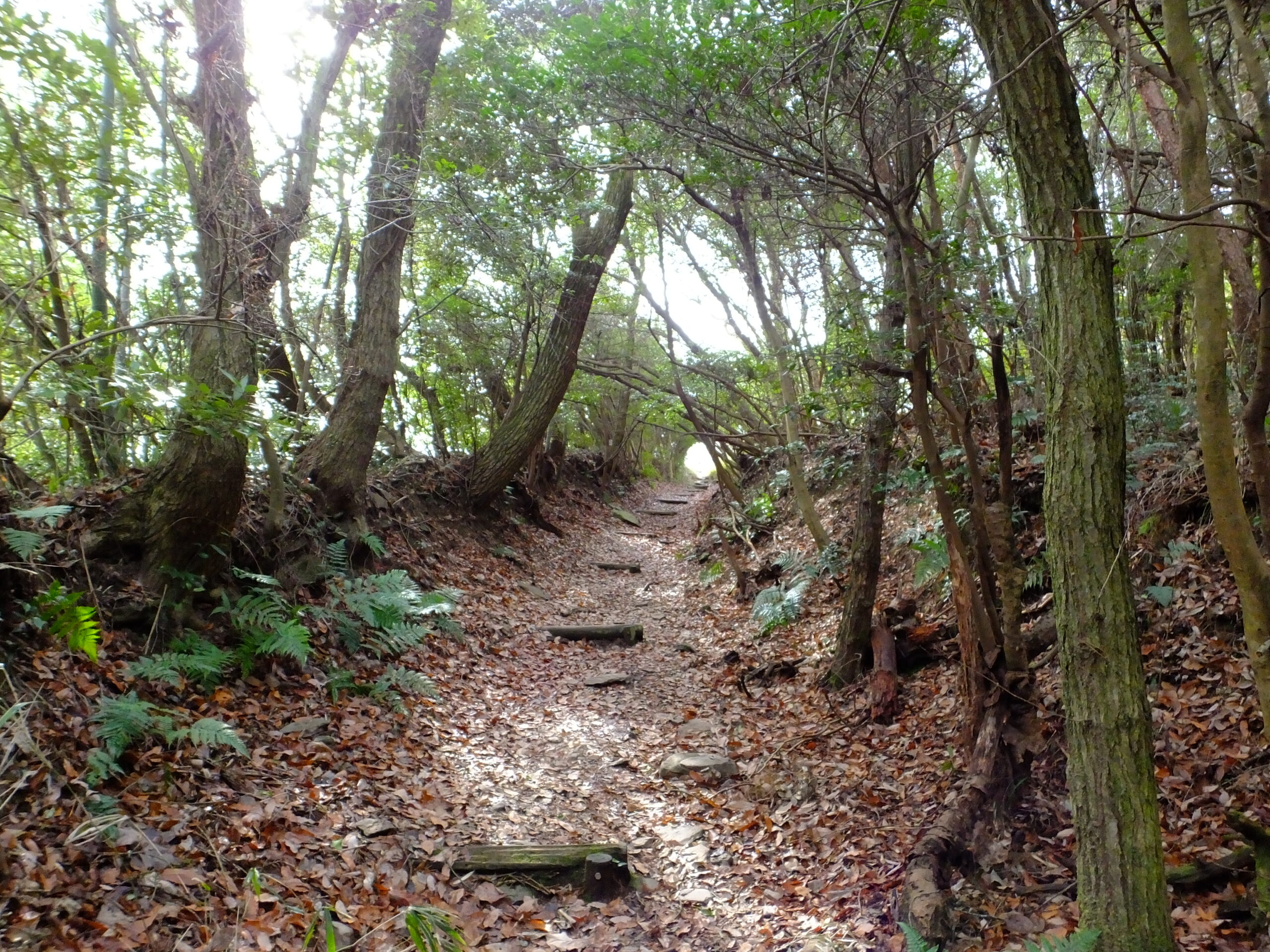
Shikoku’s routes cross coastal roads, mountain passes, and rural lanes. Expect steep climbs and descents on rocky or muddy trails, especially in the Tokushima and Kochi sections. Use sturdy hiking boots with good ankle support and test them before you go.
Rain can appear quickly from spring through autumn. Carry a lightweight waterproof jacket and waterproof covers for your pack and sleeping gear. In summer, heat and humidity can cause dehydration and heat exhaustion; drink small amounts often and rest in the shade.
In winter, higher passes may be icy or snowy. Check local forecasts and avoid exposed ridgelines during storms. When following narrow shoulder paths beside roads, walk single-file and face traffic. Bring a headlamp for early starts, late finishes, or fog.
Health and Safety Tips
Know Japan’s emergency numbers: Police 110; Ambulance/Fire 119. Save these numbers in your phone and carry a written copy. Some pay phones have an emergency connect button if your mobile fails.
Carry a basic first-aid kit: blister supplies, tape, antiseptic, pain relievers, and any personal meds. Treat hot spots on your feet immediately to avoid blisters that can stop your walk. Pace your daily distances; plan resupply points for water and food, and rest when you feel fatigued.
Register accommodation or share your route with someone at home. Learn a few Japanese phrases for emergencies and show the name and address of your next temple or town if you need help. Consider travel insurance that covers evacuation and medical care.
Sustainable Pilgrimage Practices
You can help keep the Ohenro route healthy by choosing low-impact travel methods. Walk or use public transport between distant temples rather than renting private vehicles. This reduces emissions and keeps the trail quieter.
Carry reusable items like a water bottle, a cloth bag, and utensils. Small changes cut single-use waste and make your pack lighter. Local stores often welcome reusable containers and will refill them.
Respect temple grounds and local life by following posted rules and staying on marked paths. Avoid trampling vegetation or disturbing wildlife. Take only photos and leave natural and cultural objects where you find them.
Support local communities by buying food, lodging, and crafts from small businesses. Staying in family-run guesthouses and eating local meals spreads the economic benefit of the pilgrimage. It also gives you a closer view of Ohenro culture.
Practice mindful waste handling: pack out trash you can’t compost, sort recyclables when possible, and use public bins. If you find hazardous items, report them to local authorities rather than moving them yourself.
Consider timing your trip outside peak seasons to ease pressure on services and trails. Slower travel helps conserve resources and gives you space to reflect. Small choices like these protect Shikoku’s paths for future pilgrims.
The Legacy of Shikoku Ohenro
The Ohenro links you to more than temples; it connects you to over a thousand years of history. Walkers follow routes tied to Kūkai (Kōbō Daishi) and the Shingon tradition, so your steps echo practices passed down through generations.
You will meet local communities shaped by the pilgrimage’s rhythms. Small inns, temple lodgings, and shops evolved to serve pilgrims, creating a culture of care called o-settai — simple acts of kindness offered to travelers.
The route influences modern Japan’s ideas about walking, nature, and pilgrimage. Hikers, tourists, and spiritual seekers come for different reasons, yet they all share the same paths and rituals, keeping traditions alive in new ways.
If you collect stamps (nokyocho) or wear the white coat and sedge hat, you join a living practice. These tangible customs help preserve the pilgrimage’s rituals and give your journey meaning beyond sightseeing.
Consider how the Ohenro shapes personal stories. Many pilgrims describe changes in focus, grief work, or renewed clarity. That personal impact, multiplied across centuries, forms the pilgrimage’s enduring cultural and spiritual legacy.