


Art Islands of the Seto Inland Sea
Step onto small ferries and quiet harbors and let the art of the Setouchi Islands change how you travel. The islands mix big-name museums, surprising outdoor installations, and calm seaside villages so you can see famous works and hidden gems in the same trip. You can plan a short island hop to visit major art sites, experience the Setouchi Triennale, and enjoy local food and slow island life.
You will find contemporary sculptures, renovated schoolhouses turned galleries, and striking architecture set against the blue sea and mild weather. Whether you want a focused art pilgrimage or a relaxed coastal escape, the islands offer clear routes, easy ferries, and art at every stop to keep you inspired.
Overview of Setouchi Art Islands
You can explore a cluster of islands in the Seto Inland Sea where contemporary art, local life, and nature meet. Expect site-specific works, island museums, cycling routes, and ferries linking small communities.
History and Development
The islands began shifting toward art-led tourism in the late 20th century. Local leaders and artists, together with private patrons and foundations, repurposed abandoned buildings and old factories into galleries and studios. Major investment came with the Benesse Foundation, which commissioned architects and artists to create permanent installations, especially on Naoshima.
The Setouchi International Art Festival launched in 2010 and expanded the movement, bringing international artists and temporary works to multiple islands. That festival uses the islands themselves as exhibition space, encouraging interaction between artists, residents, and visitors. Over time, community involvement and conservation have shaped projects to respect local life while boosting the economy.
Location and Geography
The Setouchi Art Islands lie in the Seto Inland Sea, between Honshu and Shikoku. The area includes dozens of inhabited islands and many smaller islets; key art destinations include Naoshima, Teshima, Inujima, and Shodoshima. Ferries connect islands to coastal ports like Uno (Okayama) and Takamatsu (Kagawa).
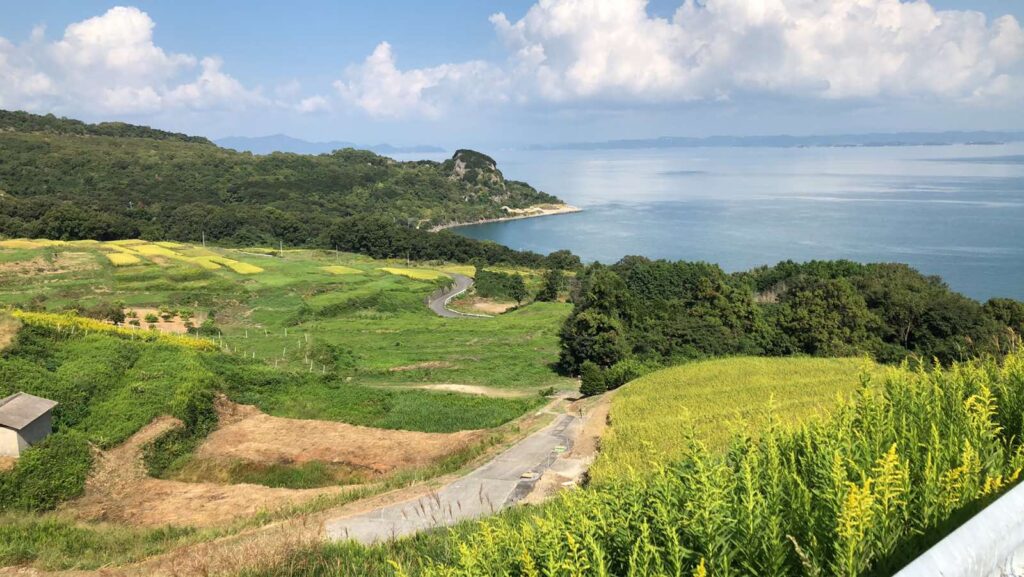
You can travel by local ferries, organized boat tours, or rental bikes once on an island. The sea’s sheltered waters and mild climate make island-hopping feasible year-round. Landscapes vary from rocky shores and sandy beaches to olive groves and small fishing ports, giving artists varied sites for outdoor and site-specific works.
Significance in Contemporary Art
The islands act as a living laboratory for site-specific art and community-based projects. Museums and installations often respond to local histories—industrial ruins, fishing culture, and island ecosystems—so artworks feel rooted in place rather than transplanted.
Major international artists, architects, and curators have created both permanent and ephemeral works, raising the global profile of the Setouchi region. The model connects art production with rural revitalization: galleries and festivals attract visitors, fund local services, and create cultural exchange. For contemporary art practice, Setouchi offers case studies in public engagement, sustainable tourism, and blending architecture with landscape.
Major Islands of Setouchi
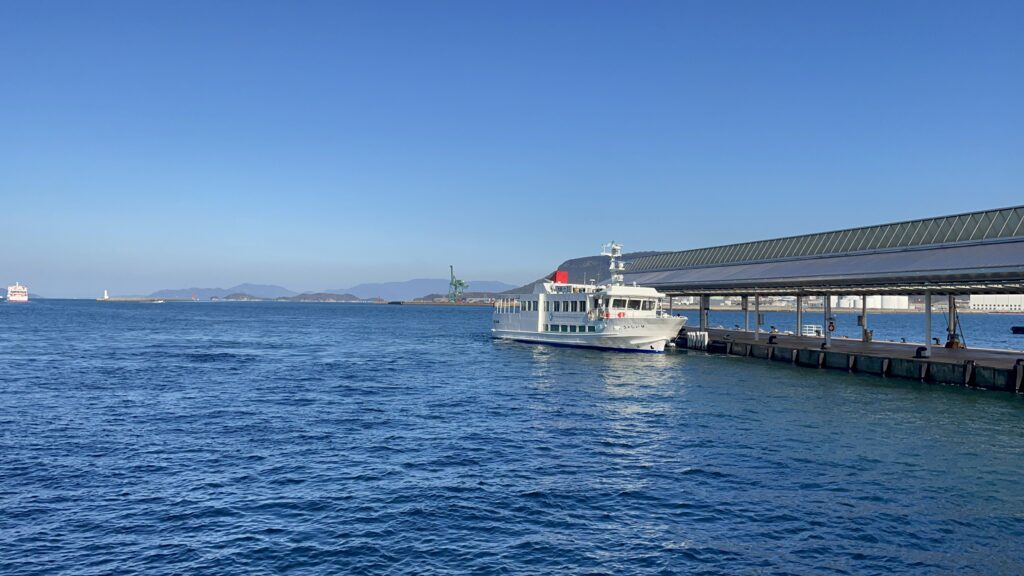
These islands offer distinct art experiences: large museum complexes and architect-designed spaces, small-scale site-specific works integrated with villages, and a compact island with reclaimed industrial ruins turned into art. Each island has easy ferry access from nearby ports and clear walking routes between sites.
Naoshima
Naoshima hosts major museums and large installations concentrated near several ports. You can visit the Benesse House Museum for museum galleries and rooms that blend art with sea views. The Chichu Art Museum sits inside a hillside and showcases works by Monet, James Turrell, and Walter De Maria in carefully controlled light.
You’ll find outdoor sculptures around the port and in the island’s Achi area. Local projects include renovated houses and small galleries in Honmura village. Transport: regular ferries from Takamatsu and Uno; once on the island, rent a bike or use shuttle buses to move between sites.
Practical tips: buy museum advance tickets for timed entries, bring cash for small cafes and shops, and plan extra time for walking between dispersed venues.
Teshima
Teshima centers on intimate, site-specific art set within rice fields, coastlines, and renovated buildings. The Teshima Art Museum — a single, stunning concrete shell — uses natural light and subtle sound to create a quiet, immersive experience. You’ll also see multiple artist installations scattered across the island that respond to the landscape and local life.
Visitor flow is slower here; many works require quiet observation, so expect fewer crowds than on Naoshima. Ferries run from Takamatsu and Uno, and you can rent a bicycle or use local buses. Bring water and sun protection: the island has limited services between art sites.
Plan for unpaved paths and short hikes. Some installations have guided or timed entry, so check schedules and buy tickets in advance when possible.
Inujima
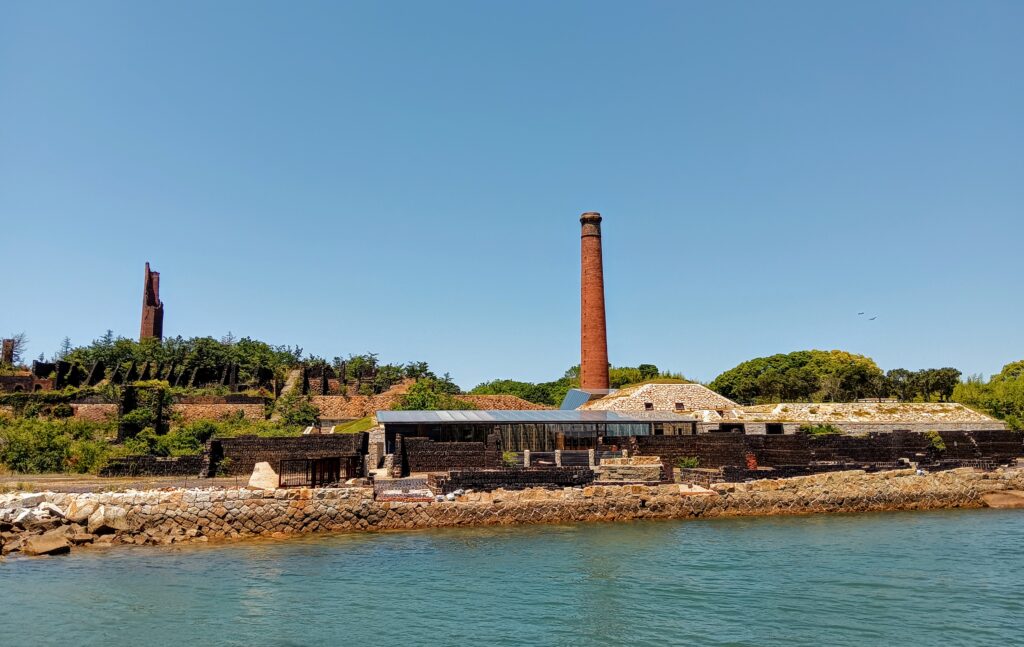
Inujima is compact and focused on a single reclaimed industrial site transformed into art. The Inujima Seirensho Art Museum repurposes an old copper refinery into galleries, outdoor sculptures, and a guided route that explains the island’s industrial past and ecological recovery.
You can walk the short loop that links the museum, lookout points, and coastal ruins. The island’s scale means you can cover major sites in a half-day, leaving time to explore fishing hamlets and seaside views. Ferries connect Inujima to Uno and other Setouchi ports.
Expect uneven terrain and limited food options. Buy ferry times ahead and carry small change; the island emphasizes preservation, so follow site rules and respect quiet zones.
Iconic Art Sites and Museums
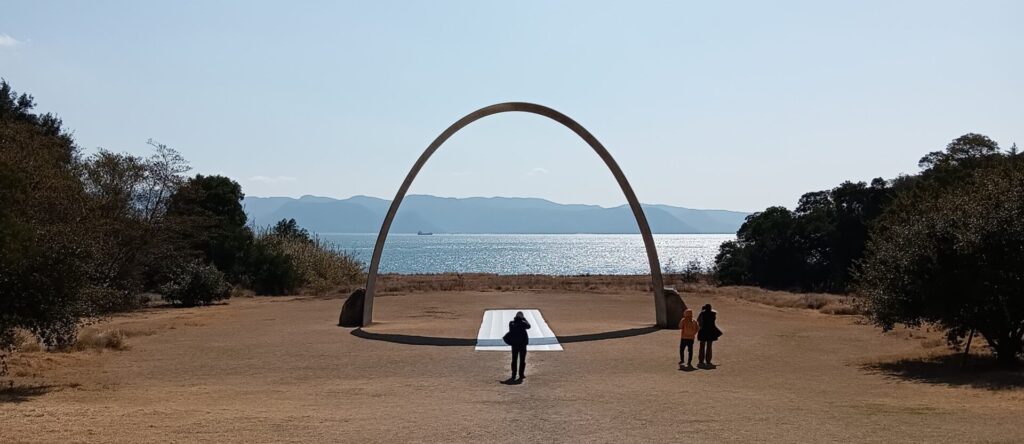
These museums show how contemporary art, architecture, and island life meet in Setouchi. They focus on site-specific work, minimalist architecture, and local materials.
Chichu Art Museum
Chichu Art Museum sits mostly underground on Naoshima, designed by Tadao Ando to control light and sightlines. You will see large-scale works by Claude Monet, Walter De Maria, and James Turrell placed in rooms that use natural light as part of the art.
Tickets are timed and limited; book ahead, especially for the Monet room, where seasonal light changes the viewing experience. The museum asks visitors to avoid flash photography and to respect quiet, because the space relies on atmosphere.
Expect a short walk from the ferry area and some steps on the site. Bring a light jacket—cool, stable temperatures help preserve the artworks.
Benesse House Museum
Benesse House combines a museum and hotel on Naoshima, so you can stay where art and daily life blur. The complex hosts paintings, sculptures, and site-specific installations inside buildings by Tadao Ando and across the surrounding landscape.
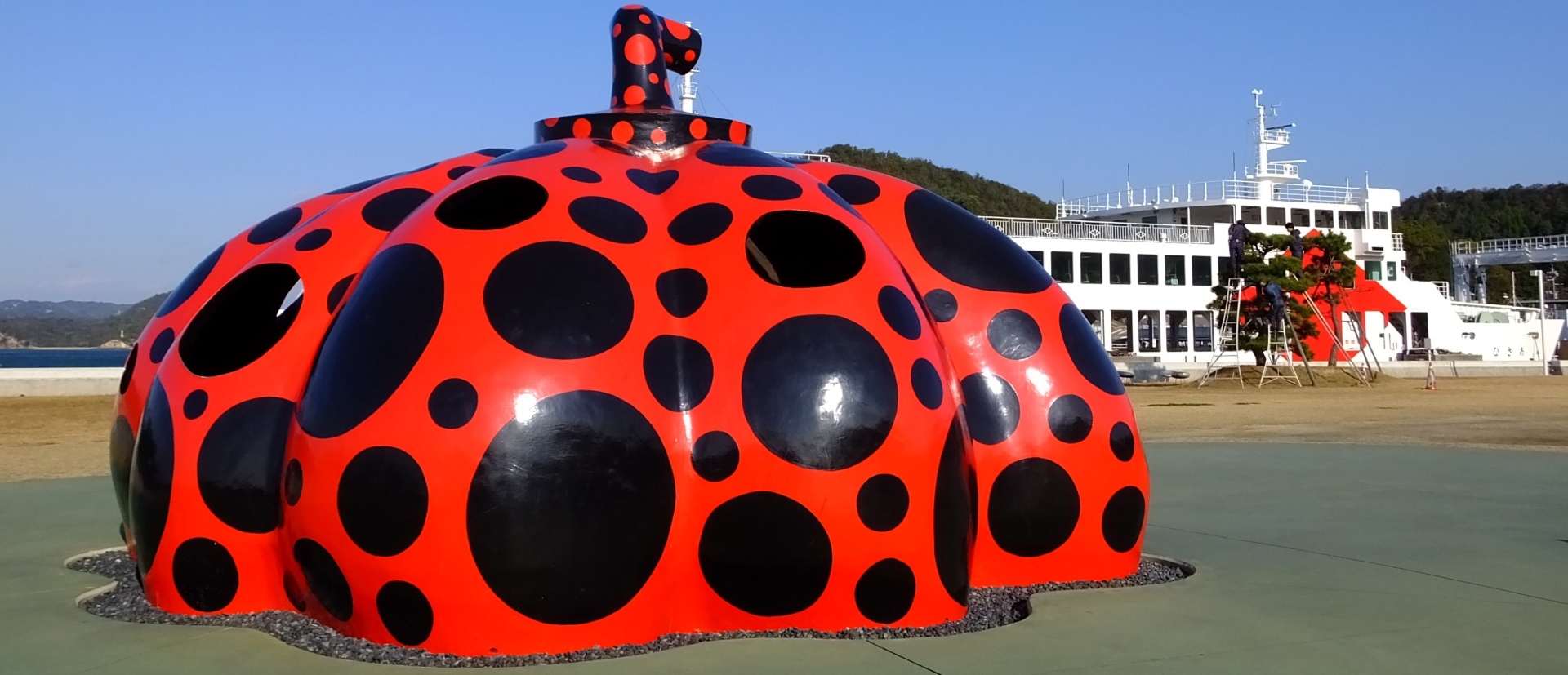
You can explore indoor galleries and outdoor works scattered on the hills and along the coast. If you stay overnight, some guest rooms include artworks or provide direct views of installations, giving a unique, private encounter with pieces like Yayoi Kusama’s pumpkins on the shore.
Buy a combined site pass to visit multiple Benesse facilities and nearby museums on the same ticket. Guided walks and shuttle services help you move between dispersed works.
Teshima Art Museum
Teshima Art Museum sits in a rural rice-field setting on Teshima Island, in a single, shell-like building designed by Ryue Nishizawa. The structure’s simple curves and thin walls create a quiet interior where a water-and-air installation by artist Rei Naito reacts to your presence.
Your visit focuses on slow observation: the museum has no large labels or crowded galleries. Lighting, subtle sounds, and the building’s slight breathing motion all form part of the work. Photography rules are strict to protect the experience—check the guidelines before entering.
Access often requires a short bus or bike ride from the port, and visitor numbers are managed. Plan extra time for the walk from the ferry and for the ferry schedule between islands.
Inujima Seirensho Art Museum
Inujima Seirensho Art Museum repurposes an old copper refinery on Inujima into a site-specific art complex. You will find contemporary installations that use the industrial ruins, sea views, and reclaimed materials as part of the art.
Exhibits are spread across restored factory spaces and outdoor areas, encouraging you to explore corridors, rooftop viewpoints, and concrete structures. The museum explains local history alongside contemporary commissions, so you learn about the island’s past as you view the art.
Ferries to Inujima run less frequently, so check timetables and leave time for the walk from the landing. Small galleries and workshops on the island complement the museum visit, giving context to the site-based works.
Contemporary Art Installations I
You will find installations that blend with island life and landscape. Many works use local materials and respond to seas, fields, and village streets.
Artists place site-specific pieces in old schools, temples, and along shorelines. These settings create quiet moments where art feels part of daily life rather than separate from it.
Expect a mix of large-scale outdoor sculptures and small, subtle interventions. Some works invite you to walk through or around them; others ask you to pause and listen.
Key islands host standout projects: Naoshima’s museum-architecture and outdoor sculptures; Teshima’s organic, light-filled pavilion; and Inujima’s reuse of industrial ruins. Each island offers a distinct tone and scale of work.
Tips for visiting:
Walk slowly. You’ll spot hidden pieces in alleys and fields.
Check ferry timetables. Art sits across multiple islands.
Read placards for context. Many pieces reference local history and ecology.
You will leave with an impression shaped by place as much as by art. The installations aim to connect you to the islands’ culture, people, and changing landscapes.