7night 8days Nakasendo Walking Tour
per person
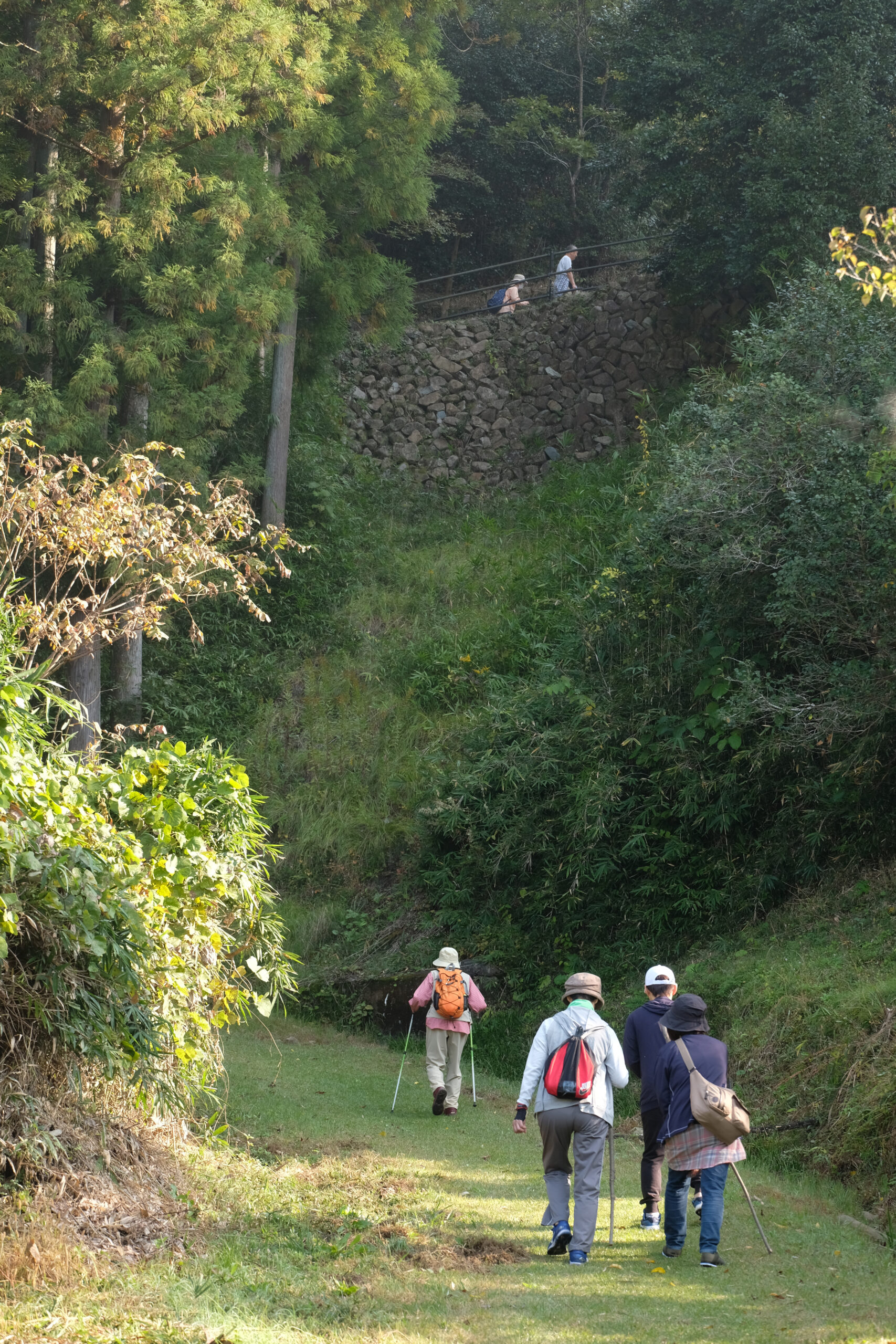
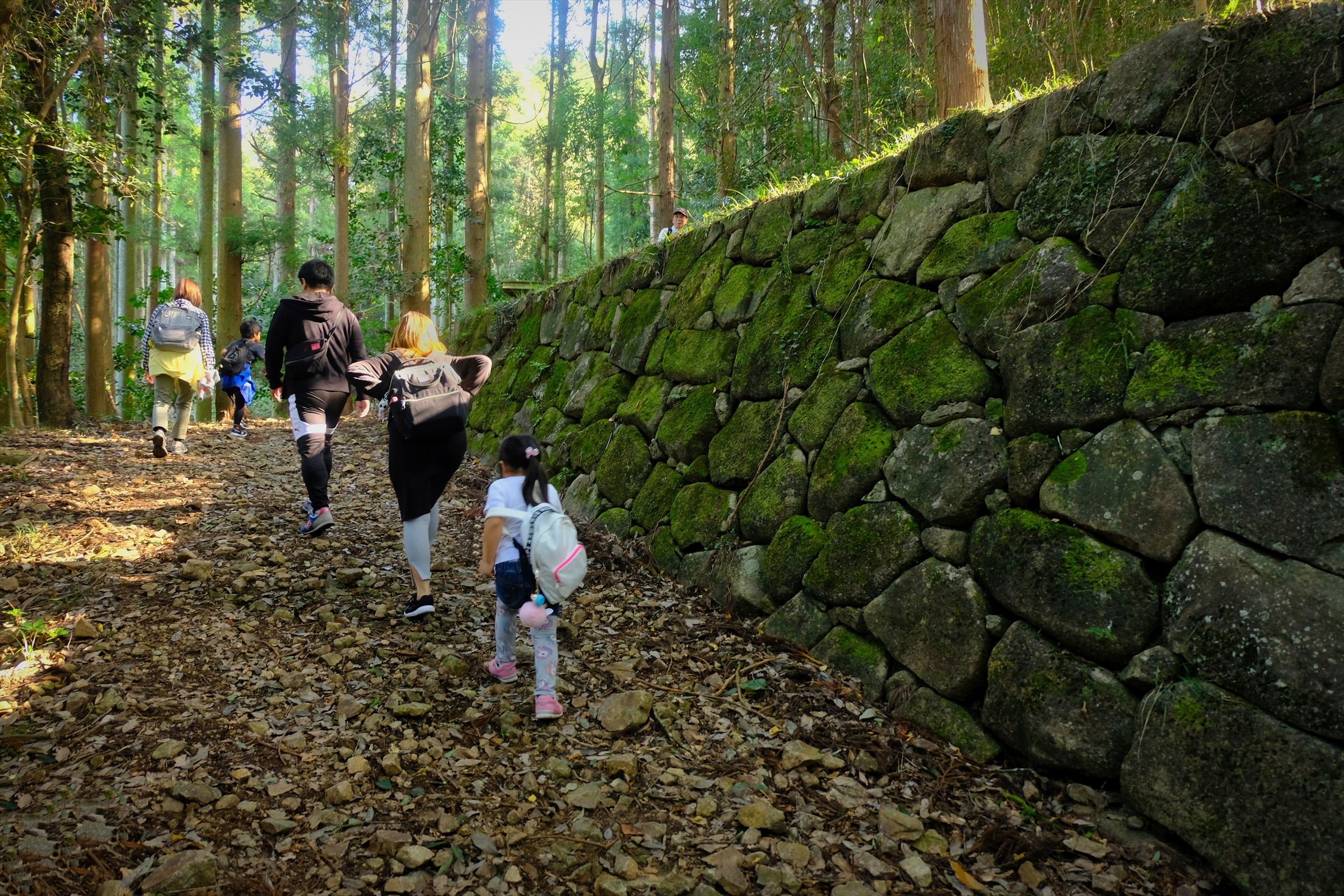
Nakasendo (中山道, ‘Central Mountain Road’) is one of the five great highways of Japan’s Edo period (1603–1868), connecting Edo (Tokyo) with Kyoto over 534 kilometres of mountainous terrain and 69 official post towns. Unlike the coastal Tokaido route, the Nakasendo wound through the heart of Japan’s mountain ranges, offering a journey of extraordinary natural beauty. This 6-day Nakasendo walking tour covers the most historically rich and scenically varied southern section of the Nakasendo, from Matsumoto in the north to Mino-Ota in the south — tracing approximately 80 km of original trail across six distinct stages.
Best Season to participate in Nakasendo Walking Tour: April–May (cherry blossom & fresh green) or October–November (autumn foliage). Summer is warm and lush. Winter is cold and sometimes snowy, but beautiful on the trail. A JR Pass is strongly recommended for the train connections between walking stages.
| 1 |
Arrive Matsumoto |
| 2 |
Shiojiri → Narai-juku |
| 3 |
Narai → Torii Pass → Yabuhara → Kiso-Fukushima |
| 4 |
Agematsu → Nojiri → Suhara |
| 5 |
Tsumago → Magome → Nakatsugawa |
| 6 |
Nakatsugawa → Hosokute → Oniiwa Onsen |
| 7 |
Hosokute → Mitake → Mino-Ota |
| 8 |
Departure |
-
Departure/Return Location
Matsumoto
-
Departure Time
Please arrive Matsumoto on day 01 by yourself.
-
Dress Code
Hiking Clothes and shoes
-
Included
Accommodation
Guide
Insurance
Meals
-
Not Included
Breakfast
Dinner
Ferry Tickets
Flights
Lunch
Muesum Entrance Tickets
Sightseeing Fees
Transport
From our gallery
Follow the ancient Nakasendo highway through Japan's Kiso Valley on this 6-day small group walking tour. From the preserved post towns of Narai and Tsumago to the dramatic Torii Pass and the wild Thirteen Passes ridge, this itinerary covers approximately 80 km of historic trail with full hiking stats, terrain descriptions, and accommodation recommendations for every night.
Tour Plan
1
Day 01: Matsumoto → Shiojiri → Kiso-Hirasawa → Narai-juku
Your Nakasendo journey begins with an arrival day in Matsumoto, one of Japan's most charming and historically rich cities, nestled in the mountains of Nagano Prefecture at an elevation of approximately 590 metres. Today is dedicated to rest, orientation, and soaking in the atmosphere of this beautiful gateway city before the walking begins tomorrow.
The centrepiece of Matsumoto is its magnificent castle — Matsumoto-jo (松本城) — one of only twelve original feudal castles remaining in Japan and one of just five designated as National Treasures. Unlike many Japanese castles that were destroyed and later reconstructed in concrete, Matsumoto's keep is entirely original, dating from the late 16th century. Its striking black-and-white facade, reflected in the surrounding moat, is one of the most iconic images in Japan. Climb the steep internal staircases through six floors to the top floor for panoramic views of the Japan Alps.
In the afternoon, wander south to the Nakamachi district, where a beautifully preserved row of Edo and Meiji-period merchant houses lines a quiet canal street. Many have been converted into cafes, craft galleries, and sake shops while retaining their distinctive white-plaster and black-tile kura (storehouse) architecture. This is an ideal place for a leisurely coffee, browsing for souvenirs, or enjoying an early dinner of Matsumoto's celebrated local specialities — soba noodles made from Shinshu buckwheat, Matsumoto sanzoku-yaki (grilled marinated chicken), and Nagano mountain vegetables.
An early night is strongly recommended. Tomorrow's walk begins with the train to Shiojiri and the first steps on the ancient highway.
2
Day 02: Matsumoto → Shiojiri → Kiso-Hirasawa → Narai-juku
Your Nakasendo journey begins in the castle city of Matsumoto, a convenient gateway to the Kiso Valley. Board a local JR Chuo Line train south to Shiojiri, a town famed for its vineyards and superb soba noodles — try a bowl for lunch before setting off on the trail.
From Shiojiri Station, follow the old Nakasendo markers south along a valley path to Kiso-Hirasawa (木曽平沢), one of Japan's most celebrated lacquerware towns. This National Important Preservation District of Historic Buildings has been producing Kiso lacquerware (shikki) since the Edo period. Dozens of artisan workshops and shops line the streets; watch craftspeople applying the characteristic black-and-red lacquer to cypress bowls, trays, and chopsticks — an art form refined over four centuries. The Kiso Lacquerware Museum (Kiso Shikkikan) provides a deeper introduction to the craft.
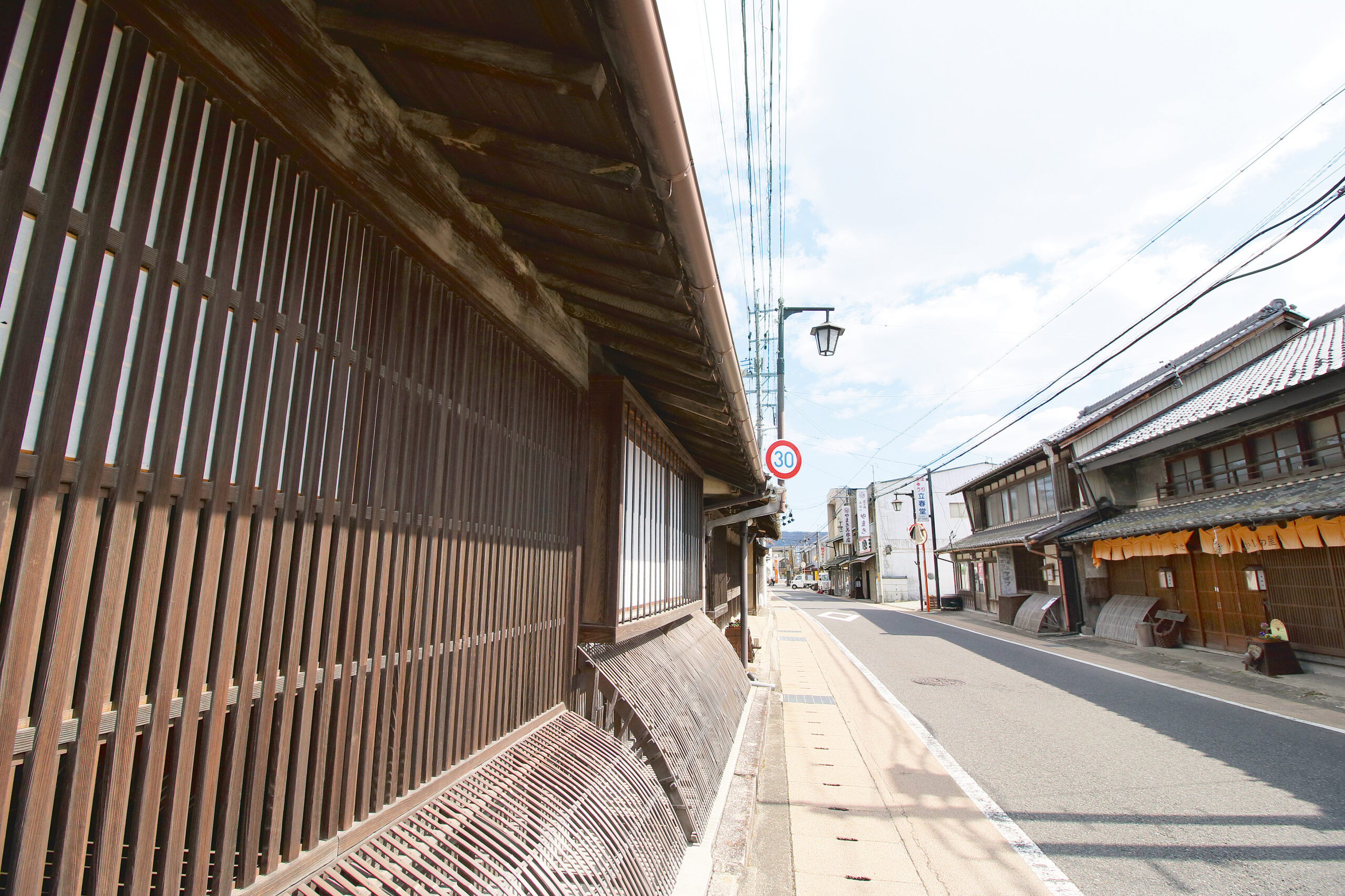
Continue 2.5 km south along the Narai River to your destination: Narai-juku (奈良井宿), nicknamed "Narai of a Thousand Houses" and the longest preserved post town on the entire Nakasendo. Its kilometre-long main street is flanked by dark-timbered Edo-period merchant houses, traditional inns, sake breweries, soba restaurants, and lacquerware shops — virtually unchanged since the 17th century. In the early morning mist or at dusk, when lanterns glow softly, the town feels genuinely timeless.
3
Day 03: Narai-juku → Torii Pass (Torii-toge) → Yabuhara → Kiso-Fukushima
The day begins with breakfast in Narai before tackling the most dramatic pass on the entire Nakasendo — the Torii-toge (鳥居峠) at 1,197 metres. This is the highest point on the historic highway.
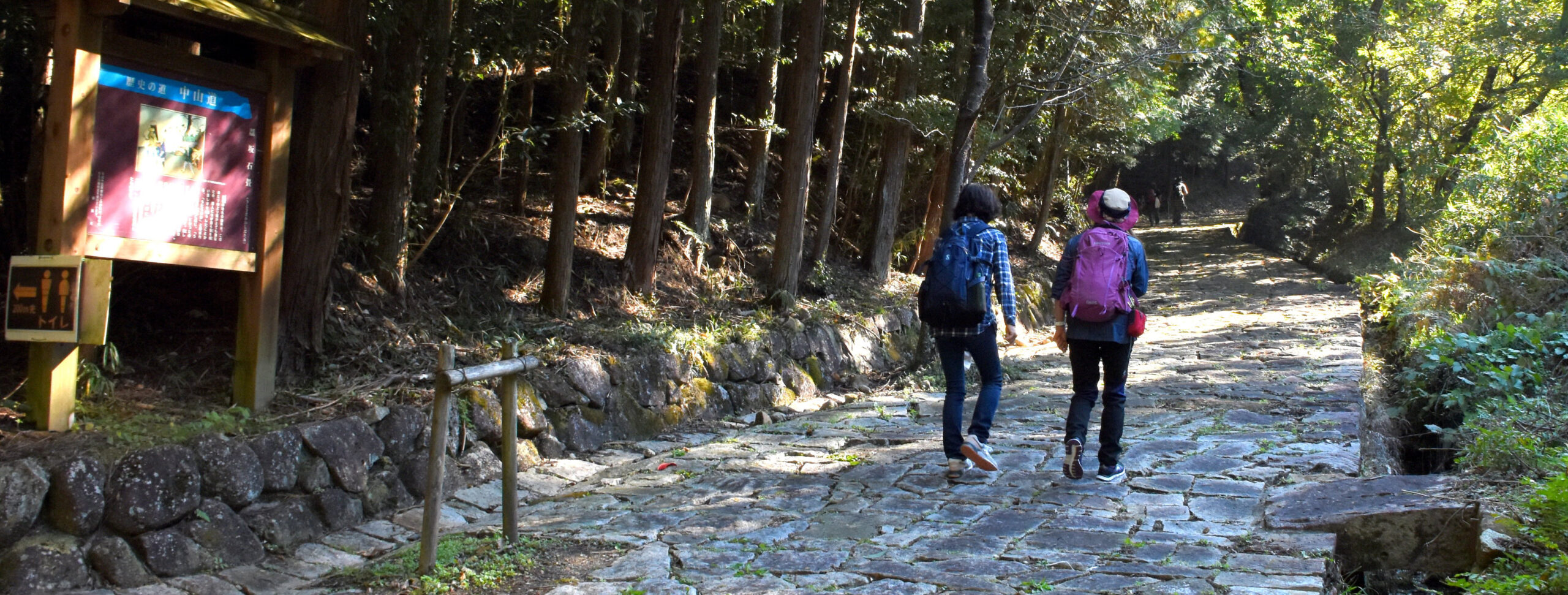
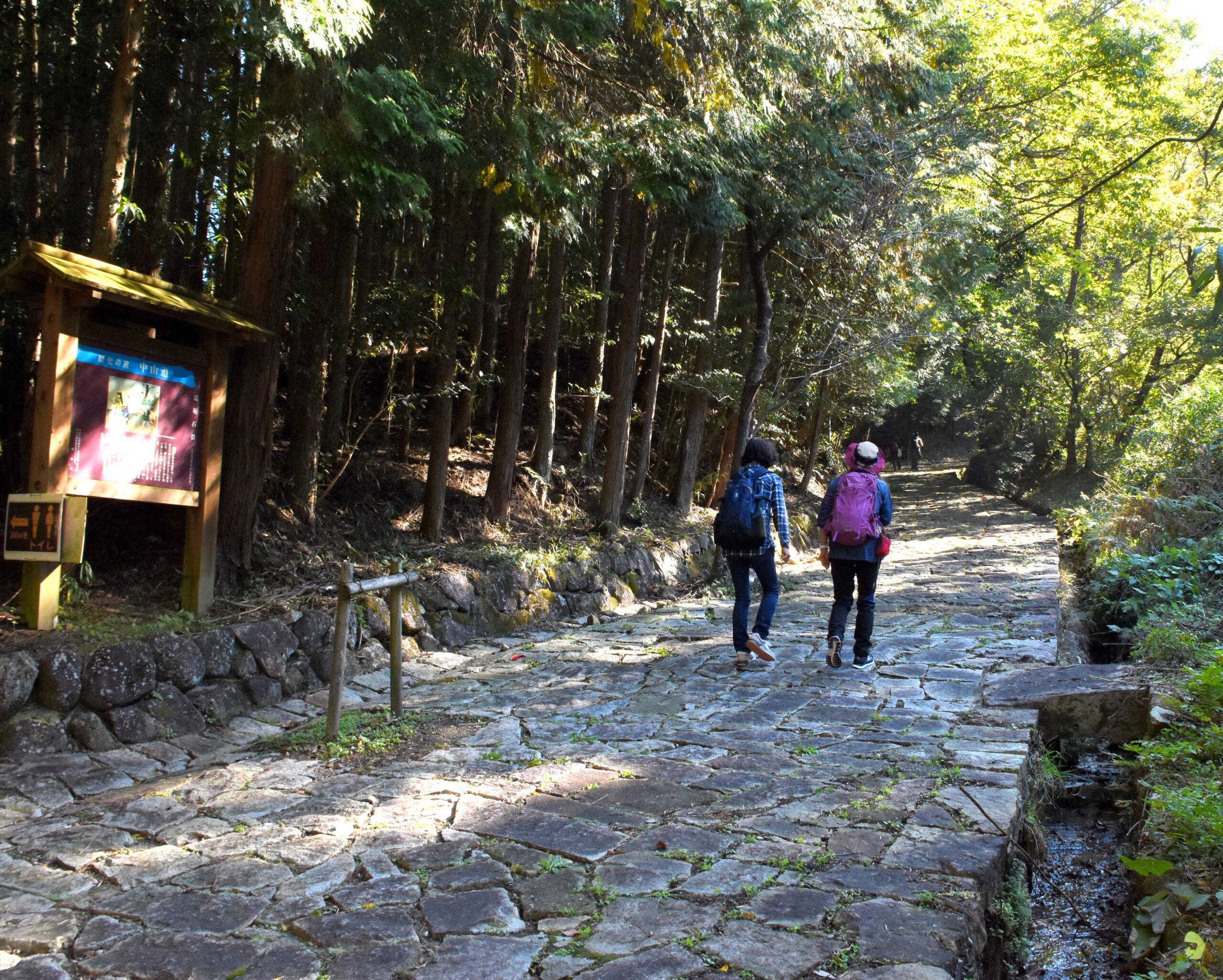
Departing Narai's southern gate past the red Shizume Jinja shrine, the trail climbs immediately into dense forest through ancient cedar, oak, and beech trees. The path follows well-preserved sections of ishidatami stone paving — slabs laid by hand during the Edo period to help travellers and horses ascend the steep gradient. Roughly halfway up stands the Ontake Jinja shrine, a small stone sanctuary with a striking white torii gate framing views of the surrounding mountains and, on clear days, the sacred silhouette of Mt Ontake (3,067 m) to the west.
At the summit, wooden rest benches invite you to catch your breath and absorb the view. The Torii Pass marks the border between Nagano and Gifu prefectures and was once one of the most feared mountain crossings on the highway — steep, cold in winter, and prone to bears (still present today — bring a bear bell). The descent toward Yabuhara is longer but gentler, passing through a beautiful forest with occasional monkey sightings.
In Yabuhara, visit a local artisan specialising in the traditional Oroku-gushi wooden hair comb — an Edo craft still made here — before catching a short train to Kiso-Fukushima. This larger town was historically one of only four official sekisho (checkpoint barriers) on the entire Nakasendo, a formidable gate through which all travellers — from feudal lords to humble merchants — had to obtain authorisation. The restored barrier museum contains original Edo-period weapons, maps, and documents. Walk the picturesque bank of the Kiso River at dusk and soak your feet in the free riverside foot bath.
4
Day 04: Kiso-Fukushima → Agematsu → Suhara-juku (via Nojiri)
Begin the day with a short train ride south to Agematsu (上松), which sits at the gateway to one of the Kiso Valley's most magical natural features. Take the 30-minute walk (or bus) from the station to Nezame-no-Toko (寝覚の床), a gorge where the Kiso River has carved extraordinary formations in pure white granite over thousands of years. The crystal-clear, emerald-green water is almost supernaturally beautiful — a scene linked to the Japanese folk legend of Urashima Taro, the fisherman who fell asleep and woke up hundreds of years later. The contrast of bleached white rock and vivid green water is one of the most striking natural sights in the entire Kiso Valley.
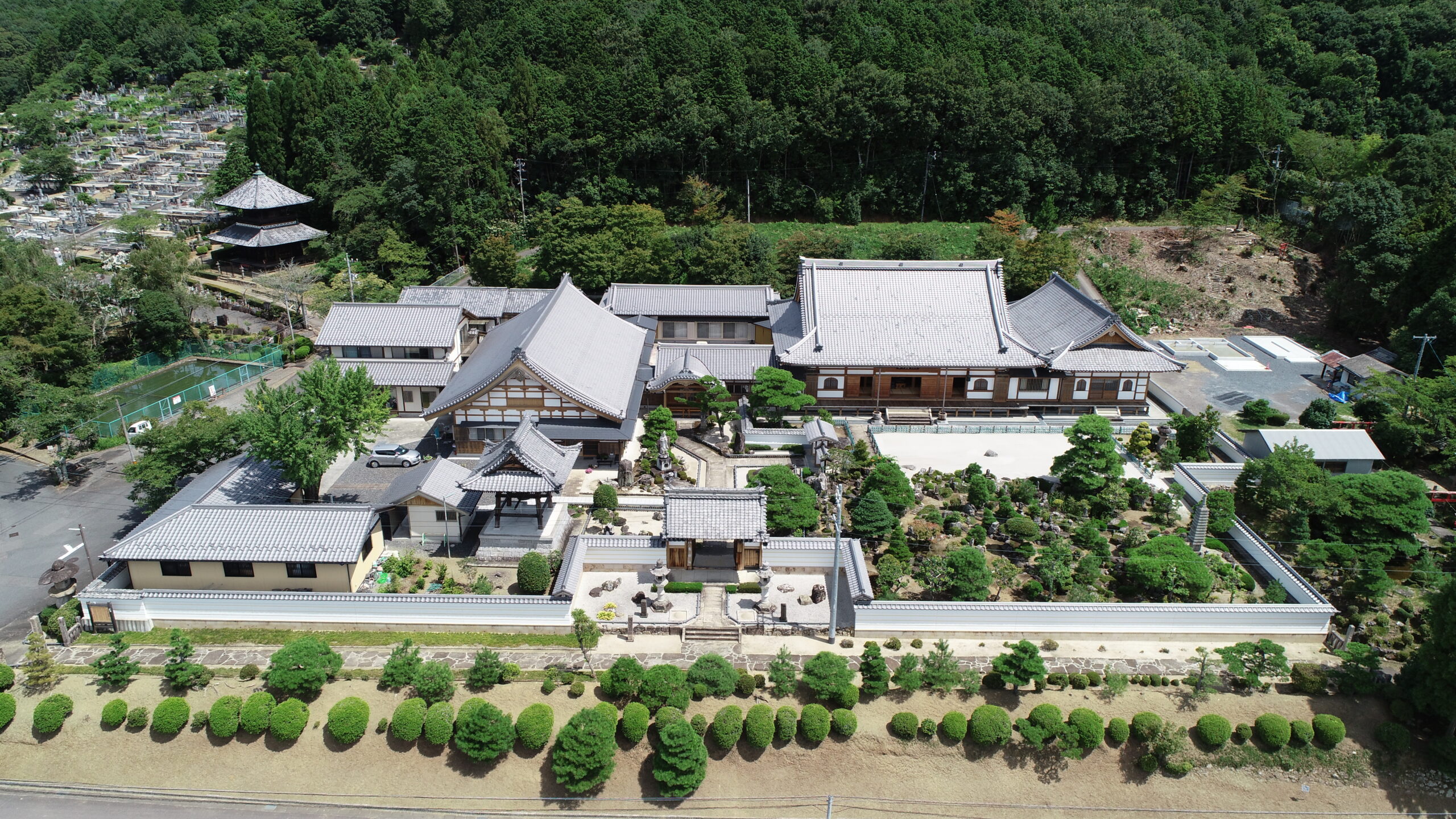
Return to the Nakasendo and walk south along the river valley to Nojiri-juku (野尻宿), a small, uncommercialised post town where locals still use the traditional wooden water troughs (mizubune) to wash and cool vegetables — a sight little changed from the Edo period. Continue to Suhara-juku (須原宿), another quiet, authentic village with historic timber-framed buildings, water troughs, and the beautiful Teishoji Temple (定勝寺), whose mountain gate, main hall, and temple kitchen are all designated Important Cultural Properties. Unlike the famous post towns to the south, Suhara and Nojiri see very few foreign visitors, offering a genuinely unhurried glimpse of rural Kiso life.
Take the train from Suhara south to Minami-Kiso (Nagiso) for your overnight stay.
5
Day 05: Nagiso → Tsumago-juku → Magome-juku → Nakatsugawa
Today, you walk the most celebrated section of the Nakasendo — and arguably the most beautiful. Take an early bus from Nagiso Station to Tsumago-juku (妻籠宿), a village so perfectly preserved that residents have voluntarily pledged never to sell, rent, or demolish the historic houses. At night, all electrical wires are hidden from view, and paper lanterns illuminate the cobblestone street — the result is one of the most atmospheric townscapes in all of Japan.
Explore Tsumago's narrow lane of dark-timbered inns and teahouses before setting off on the trail to Magome. The path immediately enters a cedar forest, rising through terraced rice paddies and woodland. About halfway, two waterfalls punctuate the route: first Medaki (雌滝, Female Falls), then the larger Odaki (雄滝, Male Falls), both with small shrines. The traditional Tateba Tea House (一石栃立場茶屋) sits at the midpoint — a perfect place to rest with a cup of green tea and a piece of gohei-mochi, a skewered rice cake glazed with walnut-miso paste that has been a trail staple since the Edo period.
The trail climbs to Magome Pass (801 m), the prefectural border between Nagano and Gifu, before descending into Magome-juku (馬籠宿). This hillside post town is perhaps the most visually dramatic on the Nakasendo, its steep main street flanked by a water mill, dark-wood shopfronts, and views of the surrounding mountains. Visit the Toson Memorial Museum (dedicated to the famous Meiji-era novelist Shimazaki Toson, who was born here) and browse the souvenir shops selling local crafts. Take the bus from Magome to Nakatsugawa for your overnight stay.
6
Day 06: Nakatsugawa-juku → Okute-juku → Hosokute-juku → Oniiwa Onsen
This is the wildest, most historically pristine day of the entire itinerary. Leaving the relatively modernity of Nakatsugawa, the trail enters a landscape that has seen almost no development since the Edo period — a fact that makes it deeply moving to walk.
The morning route undulates gently through quiet farmland and wooded hills toward Ochiai-juku, which retains its original honjin (the highest-class inn reserved for feudal lords and samurai officials). From Ochiai, the trail rises into more demanding territory: the famous Jusan-toge (十三峠) — literally "Thirteen Passes" — a rolling ridgeline route dating back to the 7th century. The landscape is completely undeveloped. Ancient ishidatami stone paving appears underfoot, and you pass moss-covered stone Jizo statues, wayside deities, and memorial markers for pack horses that died under their loads on this very path centuries ago.
At the summit of Biwa-toge (琵琶峠), a stone inscription records a poem composed by Princess Kazunomiya, an imperial princess forced to leave the Imperial Court in Kyoto to marry the Shogun. She traveled this exact road in 1861; locals sometimes call the Nakasendo the "Princess' Highway" in her memory.
Descend to Okute-juku, a small but exquisitely atmospheric post town. At its entrance stands a magnificent cedar tree said to be over 1,300 years old — one of the oldest living trees in Gifu Prefecture. Continue to Hosokute-juku, one of the smallest post towns on the Nakasendo, for refreshments before transferring by bus or taxi to Oniiwa Onsen.
7
Day 07: Hosokute-juku → Mitake-juku → Minokamo → Mino-Ota (美濃太田)
The final day of the Nakasendo walk gradually transitions from the mountainous Kiso Valley world to the broad lowland plain of Gifu Prefecture — a geographic shift that mirrors the historical journey from the inner mountains toward the ancient capitals of Kyoto.
The morning begins in the charming post town of Mitake-juku (美濃御嶽宿), post town number 49 of the Nakasendo's 69 stations. The town retains beautiful Edo-period buildings, stone Jizo figures, and a quiet rural pace. As you walk south, the trail passes through rolling farmland with rice paddies, small cedar woodlands, and occasional river crossings. Wayside shrines and centuries-old stone markers mark your progress along the trail.
The route passes through Minokamo (美濃加茂市), a historic town that was once a significant waypoint on the Nakasendo. Here you can stop for a well-earned lunch — the town has good soba restaurants and a market. Continue south along quieter back roads to the historic post town of Mino-Ota (美濃太田), where the JR Chuo Line and the local Takayama Line intersect.
Arriving at Mino-Ota Station marks the conclusion of the walking sections of this itinerary. From here, connections are available to Nagoya (approx. 40 minutes), from where Shinkansen services link to Tokyo, Kyoto, or Osaka. Alternatively, continue by local train or bus deeper into rural Gifu to explore the historic city of Gifu itself.
Mino Ota Station is connected by train to several major stations in Japan. You can either continue your trip to Takayama or transfer to Nagoya for your onward journey.
Trip ends.